














January 18, 2013
Frugal Travel Guy on Today Show!
The Frugal Travel Guy Predicts 2012 Trends for Frequent Travel Enthusiasts
The Wall Street Journal Endorses The Frugal Travel Guy
asset.”
By Scott McCartney October 20, 2011
###
###
Frugal Travel Guy Wins Third Budget Travel Blog Award
###
The Frugal Travel Guy Welcomes Hotel Group’s New Best Price Guarantee
Rick Ingersoll suggests how to make the most of the new hotel offer.
Chicago To Host Largest Gathering of Travel Hackers in the Nation
Hundreds to descend on the city to hone skills in amassing miles and points.
August 29, 2011 (Chicago, IL) – From Friday, October 28, through Sunday, October 30, the largest gathering of “travel hackers” in the national will descend on the city for the 2011 “Chicago Seminars,” a grassroots-organized event on maximizing frequent flier miles and rewards points to enjoy free or nearly free travel around the globe.
The weekend-long seminar will be held in the Holiday Inn Chicago at 1000 Busse Road, Elk Grove Village, Illinois 60007, with the Holiday Inn O’Hare/Rosemont as the overflow site.
The Chicago event is organized and hosted by frequent flier expert Rick Ingersoll, the author of the popular blog The Frugal Travel Guy, and Milepoint.com. Special guests for the 2011 event are Randy Peterson, founder of FlyerTalk.com and Milepoint.com, and Captain Denny Flanagan of United Airlines.
According to Ingersoll, Chicago Seminar participants come with varying degrees of experience, from novices just starting to learn “the game,” as he calls it, to those seasoned travelers who had been enjoying top-tier elite status with airlines and hotels for years.
“We get students and retirees, business travelers and leisure travelers,” he said. “People fly in from all over the country, and even internationally, to learn from expert speakers and meet other frequent travelers who share their interest – some would call it their obsession – with amassing miles and points. It’s the biggest party in frequent flier land!”
Ingersoll will conduct a seminar on how to earn miles through credit card sign-up offers while maintaining good credit scores. Other seminar topics will include Rookie Bootcamp, Priceline Bidding, Mileage Runs, Hyatt and Priority Club, and much more. A Costume and Cocktails Party will be held Saturday evening from 8:30 to 10 p.m.
“The event as a whole is a must-attend if you are new to the frequent flier world or even if you want to learn insider tricks to getting the most out of your miles and points,” writes Brian Kelley on his blog ThePointsGuy.com. Kelly will conduct a seminar on American Express and the best ways to maximize the value of American Express points.
For a complete list of the weekend’s seminars and other events, go to www.frugaltravelguy.com and click on “2011 Chicago Seminar’s Schedule of Events.”
Registration for the 2011 Chicago Seminar is $75, which includes two days of seminars, coffee breaks, and lunch for each day. To register, go to http://chicagoseminars2011.eventbrite.com.
To see the complete schedule for the weekend visit 2011 Chicago Seminar’s Schedule of Events.
Clark Howard Misses The Gold Again
The Frugal Travel Guy debunks Howard’s “fool’s gold” suggestion.
August 22, 2011 — During a CNN interview on August 5, 2011, nationally syndicated radio host and consumer advocate Clark Howard made the following comment:
“The redemption rate that people have with most of the airline frequent flier programs is so pitiful, that it’s really fool’s gold. See, I like gold, not fool’s gold. And my version of gold is to get a cash-back reward card. A cash- back reward card doesn’t tell you what day of the week you can spend your money, doesn’t tell you there is limited space available to spend your money, it’s none of the gimmicks that the airlines play with their games. Cash is king.” (http://archives.cnn.com/TRANSCRIPTS/1108/05/cnr.06.html)
Rick Ingersoll, a veteran “travel hacker” and the author of the popular blog The Frugal Travel Guy, couldn’t disagree more.
“I appreciate Mr. Howard’s concern for his listeners,” Ingersoll said recently, “but he is leaving a significant source of free travel on the table with his ‘cash is king’ thinking and short-changing his audience.”
Ingersoll explained that cash-back rewards cards typically offer a rebate of one to two percent on spending. “The maximum I have seen is the Pentagon Federal Credit Union card that offers five percent cash back on gasoline purchases only. And the cash-back cards do not typically offer a sign-up bonus.”
Travel rewards cards offered by the airlines, hotel chains, and the larger banks are now offering sign-up bonuses worth hundreds of dollars, he noted, just for signing up to use their cards.
“A recent example is Chase Bank, which offered a 100,000-mile sign-up bonus for its British Airways credit card. Those miles could be redeemed for a business class round-trip ticket to Europe or four domestic round-trip tickets on Chase’s OneWorld partner airline, American Airlines. A conservative value of those four tickets would be approximately $1600 for the $95 sign-up fee. It would take $80,000 of spending on a two percent cash back card just to equal the value of those four readily available airline tickets.”
Many travel rewards cards offer similarly large sign-up bonuses without a first-year annual fee. In most cases, the hotel rewards versions of travel cards issue points into their programs with no restriction on usage.
“If the hotel issuing the card has a room available, you can get the room with the points you earn on your travel card, which negates Mr. Howard’s concern,” Ingersoll said. “In fact, by using twice the miles of a typical saver airline award, the airlines offer ‘anytime awards.’ If there is a seat available, you can cash in your miles.”
Just recently, Ingersoll needed to book a one-day trip from Savannah to Chicago. “After extensive research, the best cash price I could find that met my time constraints was $748 plus taxes. I easily redeemed 25,000 Continental Airlines miles and paid $10 in taxes for the flights I needed. I got three cents per mile in value — a 50 percent increase over the typical cash-back card.”
For those who travel frequently, Ingersoll realizes that his Savannah to Chicago deal is not an extreme example nor by any means a huge return. “But it is 50 percent better than Mr. Howard’s cash back card. International premium cabin itineraries yield higher rates of return, at time in excess of six to eight cents per point. And the Starwood Preferred Guest rewards card typically offers a return in excess of 10 cents per dollar on cash and points redemptions.”
Before settling for a cash-back card and its lower return for your loyalty, Ingersoll suggests you seriously consider travel rewards cards with their new flexibility and higher rates of returns. Current sign-up bonuses put huge value in your pocket immediately, he stressed:
“If you travel, even occasionally, don’t be foolish by using a cash-back card, as Mr. Howard suggests. Cash in with the real gold: travel rewards cards.”
For more information on maximizing frequent flier miles through sign-up bonuses and other means, visit Rick Ingersoll’s blog at frugaltravelguy.com.
Frugal Travel: Stop Paying Twice for Your Airline Tickets
Rick Ingersoll points out a basic consumer mistake
August 17, 2011 (Traverse City, MI) — Every time you buy an airline ticket from the airline’s website, or use any other travel site to pay for you’re a business trip or vacation, you have just paid the airline the second time for that ticket, according to Rick Ingersoll, the popular “travel hacker” behind The Frugal Travel Guy blog.
“Think about,” he said. “Our entire society, except for a few examples like farmers’ markets and kids’ lemonade stands, accepts credit cards as a form of payment for goods and services. And in the pricing of any item for sale, every savvy merchant has factored in the costs of accepting credit card payments. Merchants pay a transaction fee for each credit card payment they have processed. You are already paying for the credit card transaction in the price you pay for almost everything you buy.”
On top of that, Ingersoll pointed out, major banks and credit card issuers, such as American Express, Citi, Chase, et al, purchase airline miles from the airlines, to entice consumers to use their credit card products in exchange for receiving miles. Those frequent flier miles – which can be exchanged for free airline tickets — are sign-up bonuses for banks’ and airlines’ new cardholders. Those cardholders continue to accrue miles for every dollar they spend on the cards.
“Those of us who pay off our balances in full each month incur no cost for the use of the credit card, have a free system of record keeping, and we earn frequent flier miles for free, which we can then redeem for free flights,” he said. “With all those miles, why would we ever purchase an airline ticket? It would clearly amount to paying for that ticket twice.”
Of course, if you don’t pay off your credit card balance every month, you’re paying interest on your balances, he noted. “So the rest of us can let those paying interest and late fees on their credit cards pay for our free travel.”
As Ingersoll said, banks make millions on their credit cards, as do the airlines by selling their miles to the banks and other retailers to induce loyalty among consumers.
“By searching out the best credit card offers, and by using them responsibly and often, you can see the world at next to nothing,” he said. “And we can all afford that.”
For more frugal travel tips, techniques and advice, visit Ingersoll’s blog at frugaltravelguy.com.
The Frugal Travel Guy Speaks Out Against Hotel Internet Charges
If Starbucks and McDonald’s can provide free Wi-Fi, why can’t hotels?
July 23, 2011 (Traverse City, MI) – Rick Ingersoll, a world traveler and the author of the popular blog “The Frugal Travel Guy,” continues to speak out against one of his pet peeves: Internet connection fees that most hotels charge.
Ingersoll first made this point during an interview with CNN in London in 2009 while the Sheraton Skyline Hotel’s manager listened in: “The Sheraton Skyline is lovely, clean, convenient and well managed,” he told CNN, “but they charge 15 pounds for a cable Internet connection in your room. At the dollar to pound conversion at the time, that almost doubled the cost of my cash-and-points stay there.” (Cash and points means using rewards points to pay very little cash for a hotel stay.)
He also made it known on the air, while the assistant manager listened, that he’d checked for available wireless connections from his room, found one that worked, and connected for free. After the interview, he was asked the name of the unsecured Internet provider and he provided it.
“I recommend to all of my blog readers that they do the same,” he said recently. “Check for available wireless connections before you agree to the outrageous charges hotels are collecting.”
How outrageous are these charges?
In the Huffington Post, Dave Taylor of the “Ask Dave Taylor” column, stayed at the Wynn Hotel in Las Vegas and wrote: “As has become all too common with Internet access in hotels, the Wynn charges not by room for Internet access, but by computer, so that they can maximize their revenue: share a room and each of you pays for Internet access. At $13.99/day, that adds up fast.” Taylor also noted that he had a laptop, iPad and iPhone. “According to hotel policies, that’d be 3×13.99 or $41.97/day for Internet access,” he wrote.
At the Marriott World Resort near Disney World, Consumer Traveler’s Janice Hough reported “$14.95 a day, plus tax. Per computer.”
And earlier this year, a TripAdvisor review on the Rydges Wellington in Wellington, New Zealand, reported $30 per night for Internet connection, and even more for a high-speed connection. “Having paid $240 for the room, it’s pretty short sighted to nickel and dime us like this and expect repeat patronage,” the reviewer notes.
“Most four and five star hotels charge daily rates from $10 up for one connection, more for multiple devices,” said Ingersoll, who admits that after amassing all the frequent flier miles and rewards points he can to travel around the world nearly for free, hotels’ Internet usage charges gall him. “Of course, it’s not a problem for business travelers with expense accounts, but for a family on vacation with more than one computer or other mobile device, $10 a day per device adds up to a major expense.”
Ingersoll heartily agrees with Consumer Traveler’s Janice Hough, who said, “It’s time for hotels to go the path of Starbucks, McDonald’s and most airports these days and give guests free wi-fi access.”
“To all of the hotel executives out there,” he added, “thanks for removing the fees for some of your frequent business travelers. Now how about doing the same for the rest of us average working folks?”
For more information on Rick Ingersoll and The Frugal Travel Guy, visit frugaltravelguy.com.
Conde Naste Traveler on Concierge.com: Card Tricks Every Traveler Should Know
July 2011 — Wendy Perrin reveals winning strategies for scoring hotel rooms, flights, and travel perks without spending an extra dime
Credit card bonus-miles offers are one of the easiest and least expensive ways to rack up a lot of miles fast. You’ll find online links to the most lucrative offers on sites like Webflyer.com, Freefrequentflyermiles.com, ThePointsGuy (click on “Top Deals”) and on the blogs the Frugal Travel Guy and View From The Wing … more at the source.
The Frugal Travel Guy to be a Featured Guest on “Around the World” Radio
He’ll share his best recent travel deals and teach listeners how they can become frugal travelers
June 21, 2011 (Santa Barbara, CA) – Rick Ingersoll, author of the popular blog “The Frugal Travel Guy,” will be a featured guest on “Around The World” an international travel talk-radio show on KZBN AM 1290 in Santa Barbara, CA, on Thursday, June 23, at 10 a.m. PDT (1 p.m. EDT), with re-broadcasts on Thursday evening from 8-9 p.m. PDT and on Saturday the 24th at 10 a.m.
Ingersoll is a recognized leader among “travel hackers,” a term used for people who amass and maximize frequent flyer miles and rewards points, and combine those with other techniques to travel the world for free or nearly free. He is frequently in the media for his expertise on frugal travel, including The New York Times, Consumer Digest, Budget Travel, and the Kiplinger Newsletter.
Ingersoll shares his knowledge and tips with over 5000 readers each day on his blog, and he receives email every day from readers who have been on trips they say they never could have afforded were it not for what they’ve learned from his blog and his book, The Frugal Travel Guy Handbook.
There are many “travel hacking” blogs similar to Ingersoll’s. What sets his apart from the others is that he is “on a mission to teach ‘regular’ folks, who don’t think they can afford to travel, that they can if they use my tips and techniques,” he says. “I call it ‘seeing the world at prices we can all afford.’ “
Ingersoll’s 10-minute segment on Around The World will let him take his mission to an even larger audience. The show is also on a delayed broadcast in Australia on Queensland’s 99.7 FM as well as on over 30 other radio stations via ComRadSat. It also streams live audio and video online at aroundtheworldradio.com and newspress.com.
Among the tips and techniques Ingersoll may touch on during the June 23 segment are:
- How to use “the bump” to amass travel vouchers from airlines.
- How to find mistake rates and make the most of them.
- How to capitalize on consumer promotions that offer miles or points.
- How to make the most of fare wars and best-rate guarantees.
- How to “churn” credit cards responsibly to get thousands of rewards points and miles.
Around the World is a live 60-minute travel talk show that was launched in 1998. Veteran travel writer and broadcaster Arthur von Wiesenberger hosts the weekly show, which received the International Restaurant and Hotel Award (IRHA) for the Best Dining and Travel in Radio in 2008. For more information, go to aroundtheworldradio.com. For more information on Rick Ingersoll, visit his blog at frugaltravelguy.com.
Kiplinger Newsletter, June 2011: What You Need To Know About Summer Travel
by Susanna Snide
…There is such a thing as a free breakfast. Rick Ingersoll, of FrugalTravelGuy.com, says that a complimentary breakfast in an expensive overseas location can cut his food bill in half. He eats one big meal late in the day in addition to breakfast, and snacks on store-bought food in-between … continued at the source.
The Consumerist: When Is A Free Ticket Not Free? When There Is A $350 Fuel Surcharge.
By Cris Morran, May 31, 2011
… If you’re stuck with points/miles on a foreign airline and still feel like getting a free-ish flight somewhere, Rick Ingersoll of FrugalTravelGuy.com suggests using them domestically on a partner airline: “I used my 100,000 British Airways miles for four domestic round-trip tickets on American Airlines at 25,000 miles each.” Continued at source.
DailyWorth.com welcomes The Frugal Travel Guy
Rick Ingersoll, the Frugal Travel Guy, is guest blogging for a while for DailyWorth.com, a community of women “who talk money. We deliver practical tips, empowering ideas, and the occasional kick in the pants…” Read Rick’s first post for DailyWorth.com on his Priceline discount system at the source.
Associated Press, Yahoo! News, ABC News: “Smart Spending: Squeeze More Out of Short Trips”
Michelle Chapman, a business reporter for the Associated Press, interviewed The Frugal Travel Guy recently for a story that is featured on Yahoo! News and ABC News/Travel.
The Frugal Travel Guy Explains The “Bump the Bonus” Technique
How to get in on new bonus offers on credit cards you already have.
May 16, 2011 – Rick Ingersoll, author of the blog “The Frugal Travel Guy” and a frequent resource for budget travel reporters and columnists, tells his readers that applying for new credit cards that offer big sign-up bonuses is one of the fastest and easiest ways to increase anyone’s frequent flier account balances.
Now he’s telling them about another way to get even more bonus points and miles out the credit cards they already have in their wallets.
He calls it the “bump your bonus” follow-up technique.
“When you sign up for a new credit card to get the sign-up bonus, you typically meet the minimum spend and wait for your points to post to your account then move on to the next big sign-up bonus,” he said recently.
“But many times, those same card issuers will raise the sign-up bonus for even newer applicants, or put out a targeted offer that gives more miles or points than you received when you recently signed up.”
If you find out about the increased bonus, do you just resent it and move on? Absolutely not, says this travel hacker.
“In many cases, if you contact the card issuers by email, secure email, or phone, they will gladly increase your sign-up bonus to match their current best offer,” Ingersoll said. “I call it ‘Bump the Bonus’ and I’ve received hundreds of thousands of miles and points by following up with my existing cards and keeping my eyes open for their newer, larger bonuses.”
Ingersoll admits this technique won’t always bring results, “but all it takes is a call or email to find out. If you don’t ask for the bonus bump, I can assure you, you won’t get the bonus bump.”
Ingersoll advises his readers to take the time to review their current credit cards and scour the Internet for the card issuers’ current best offers. “There may be more points in your account for doing so,” he said.
And as always, he stresses that applying for credit cards to get frequent flier miles and points must be paired with the commitment to always pay the bills on time to minimize the effect on your credit score.
For more information on Rick Ingersoll and his many other frugal travel tips and techniques, visit The Frugal Travel Guy blog at frugaltravelguy.com.
CreditCards.com: “8 credit card strategies of frequent-flier pros.”
by Erin Peterson 5/9/2011
Chris Guillebeau, founder of TravelHacking.org wanted to visit the world’s 192 United Nations¬-recognized countries. Tyler Tervooren of Advanced Riskology hopes to run a marathon and climb the highest mountain on each of the seven continents. And Rick Ingersoll, founder of the Frugal Travel Guy blog, wanted to rack up enough frequent flier miles so that he and his wife could travel wherever they wanted without paying hundreds or thousands of dollars.
Each of them had goals that inspired them to build up their balance of credit card frequent flier miles as quickly — and as inexpensively — as possible. And all of them have relied heavily on credit card strategies to snare hundreds of thousands of miles each year. Get wise to their systems and you could be the next one hopping onto a flight for your dream vacation. Below, they share some of their best tips — and offer advice on avoiding expensive pitfalls. Continued at the source.
How To Earn Elite Status with Airlines and Hotels
To get all the perks available through frequent flier miles.
May 5, 2011 (Hilton Head Island, SC) – Even the most casual traveler is aware of airlines’ frequent flier mile rewards programs for using their airline, and the fact that the more you miles have, the more free travel you can enjoy. Yet most casual travelers are not aware of the many additional perks that come with accruing enough frequent flier miles to warrant “Elite Status.”
Travel hackers like Rick Ingersoll know all about Elite Status. Ingersoll, better known to frequent travelers and fellow travel hackers as “The Frugal Travel Guy” for the popular blog he authors by the same name, explains how anyone can earn “Elite Status” with airlines and hotels to receive all the privileges and perks non-elite travelers miss out on.
“The frequent flier game began as a way to promote customer loyalty,” he said. “Elite status within an airlines rewards program does the same thing. Each airline is a little different, but the standard rule is that if you fly 25,000 miles in a year, you achieve ‘low level Elite’ with that airline.”
According to Ingersoll, there are three levels of Elite Status: silver, gold and platinum. Each level brings with it increasing benefits based on the number of “butt in seat” miles you have with that airline. “And when it comes to frequent flier miles, the more ‘Elite’ you are, the more perks you receive,” he said.
A silver elite member may get 1.25 to 1.5 miles frequent flier miles for every mile flown on his or her preferred carrier. Gold members get two miles for every mile flown, and Platinum members may get as high as 2.25 miles per mile flown in addition to unlimited upgrades to first class. The names of the top tier programs vary according to the airline in question.
“Elite members also receive free upgrades to first class when available or with credits they receive for so many miles flown,” Ingersoll said. “Elite status is really helpful in the event that you miss a connection or have to stay overnight at an intermediate city. The airlines take care of their Elite members.”
Airlines often hold more award seats for Elite members and provide Elite members with better seating on all flights, Ingersoll explained, such as access to the exit row or bulkhead seats.
“If you fly enough to reach Elite status, you appreciate having an exit row with plenty of leg room, especially if you’re flying overseas.”
Elite Status fliers can often make changes to their award tickets without charge and will also receive priority standby status on oversold flight.
If you travel frequently but aren’t an Elite member yet, Ingersoll suggests you make a point to study the Elite program of your favorite carrier.
“Sometimes at year’s end, it is actually worth doing a ‘mileage run’ [a paid airline trip designed solely for gaining maximum frequent flier miles, points or status] just to get the last few miles you need to achieve Elite status,” he said. “Elite status has made it possible for my wife and me to fly to Europe and get enough frequent flier miles from that one trip for a free, domestic round-trip ticket.”
Hotel Elite
The same rules apply for achieving Elite Status with hotel chains, he noted. “The more often you stay at a hotel that offers Elite Status tiers, the higher you’re status will be. And all hotel chains have awards programs.”
Hilton’s HHonors, for example, offer four levels of Elite status. Members earn and maintain elite tier status based on stays, nights, or points earned in any calendar year. “Sometimes just taking out a credit card with a hotel chain gives you elite status for a year,” Ingersoll said, “such as Hilton’s HHonors American Express Surpass card, Marriott’s Reward Premier Visa, Best Western’s World MasterCard and Hyatt’s Visa.”
For their extended honeymoon, Ingersoll and his wife Katy spent one week at the Hilton Hawaiian Village in an oceanfront room for free. How?
“By using the points I accumulated applying for Hilton’s credit card, by staying at a few Hampton Inns, by Walking For The Cure with the Susan Komen Breast Cancer Foundation, and by generally keeping our eyes open for Hilton Honors Points,” he said. “We also spent four nights at the Rome Cavaleri Hilton on points accumulated instead of the $480 per night we would have paid without them.”
The key to earning Elite status and rewards points with hotel chains, Ingersoll said, is to stay aware of what they’re offering.
“It changes nearly every year, but the rewards are well worth the time it takes to keep your eyes on the prize.”
For more information on Rick Ingersoll and to keep up with all of his travel hacking tips and techniques, visit his blog at frugaltravelguy.com.
Music to Frugal Travelers’ Ears: Airlines Increase Payback for Getting Bumped
The Frugal Travel Guy explains how to make this work to your advantage
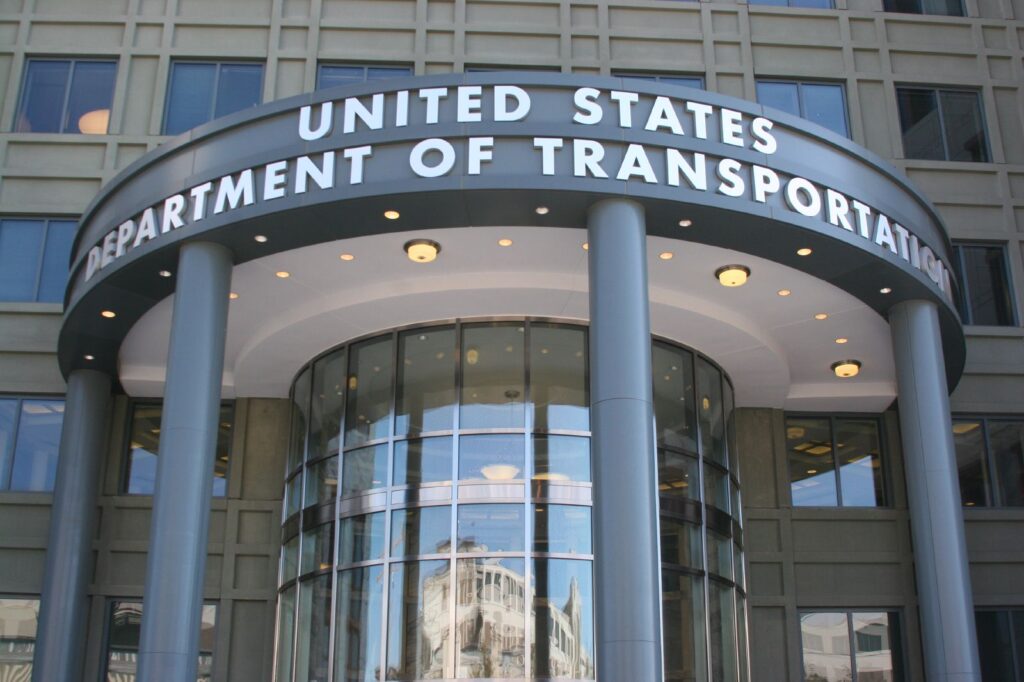
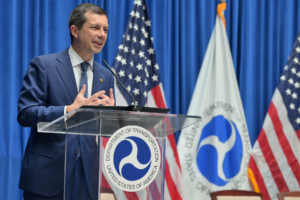
April 22, 2011 (Hilton Head Island, SC) – When the U.S. Department of Transportation announced recently that compensation for getting bumped from an airline flight was going up, thanks to consumer advocates and the Obama administration’s response to the demand for a passenger’s bill of rights, the sound you heard was a collective cheer from travel hackers everywhere.
Travel hackers, like Rick Ingersoll, the author of the popular blog The Frugal Travel Guy, have used what they call “the bump” for years to acquire travel vouchers from airlines, which translate into free travel in the future.
What is “the bump”? Simply put, travel hackers get to airline ticket counters early, on days and times that they know the airlines are likely to oversell seats for flights, and they volunteer to be bumped from their flight in return for travel vouchers or other compensation.
Airlines have been allowed to oversell because some passengers with refundable tickets will invariably fail to show. And an empty seat is lost revenue to the airline.
The new rules are an attempt to discourage airlines from overselling their flights.
Until now, travel vouchers for a bumped flight capped out at $400. But according to a report in the Chicago Tribune this week, airlines will now have to pay “up to $650 to passengers re-booked on a flight that is scheduled to arrive within two hours of their original arrival time on a domestic flight and within four hours for international flights.” (Passengers involuntarily bumped will receive up to $1300 under the new rules, compared with the current $800.)
In light of this new rule, Ingersoll offers his seven steps to making “the bump” provide you with even more free travel in the future:
- Arrive at the gate one hour and 15 minutes before the flight is scheduled to leave, to either volunteer or confirm you are already first on the list.
- Volunteer for all segments of your flight, including layovers, at the first ticket counter of the day. “United will let me do it,” he noted. “Other airlines may not. But it’s worth asking.”
- Use carry-on luggage only. “Airline personnel do not want to have to hunt down your luggage,” he said. “If someone else with carry-on only volunteers, he or she is more likely to get the bump and the compensation.” Ingersoll says he’s even gotten his wife to travel anywhere and everywhere with nothing more than carry-on luggage “so we’re always ready to take advantage of a bump.”
- If you’re traveling with more than one in your party, be willing to split up in case the airline only needs one volunteer.
- Know your alternative routings so you can help the agent in the event the airline needs your seat. “Show them you are the easiest to deal with. Have available flight options that will work for you,” he said.
- Never fully commit until you know which flight you will be confirmed on and the amount and type of compensation. “Don’t assume you’ll get the compensation just because you volunteer,” he said. “Make sure they’ll provide it first. And don’t forget to ask for an upgrade to first class as part of the compensation.”
- Volunteer for every flight, every day that you fly. “Even if the seat maps show plenty of seats, you have no idea if a previous flight has been cancelled, or if weight restrictions have been placed on the flight, meaning fewer people get to board,” he said. “I always check the seat counter and the airlines’ website’s seat map before going to the airport just to confirm my best prospects.”
According to the U.S. Department of Transportation, the price of your ticket and the length of your delay will determine your compensation. And under the new rules, that compensation is yours in addition to the price of the ticket. You can even use the compensation for alternate transportation or have it refunded. “Amassing travel vouchers by volunteering to get bumped has been worth it for years,” Ingersoll said. “Now it’s even more worth it. A little inconvenience can mean plenty of free travel in the future. Take advantage of it.” For more information on Rick Ingersoll and the many techniques he uses for free and frugal travel, visit his blog, which is updated daily, at frugaltravelguy.com, or purchase a copy of his book, The Frugal Travel Guy Handbook. Proceeds from sales of the Handbook are donated to the Wounded Warriors Project.
###
What To Look For In A Travel Rewards Credit Card Offer Rick Ingersoll suggests which offers to take, which to reject. April 14, 2011 (Hilton Head, SC) – Rick Ingersoll, the frugal travel expert who authors the popular Frugal Travel Guy blog, is the first to admit that the biggest and best frequent flier mile offers come from credit card companies. But are they really the right offers for you? Are the rewards that come with applying for them really worth the effect on your credit score? Ingersoll spent his pre-retirement years as a mortgage banker and personal finance consultant. He knows a thing or two about credit as well as frugal travel. And he offers some sage advice on knowing which rewards offers to accept and which ones to reject. “Credit card offers come from numerous sources,” Ingersoll said. “Some are generated from purchased email lists and some from past relationships you’ve had with banks, retail stores, or travel related companies. Some of them even suggest that you’ve been pre-approved. That’s not really the case.” You may have seemed to be eligible to the offering firm at the time they generated the mailing list, Ingersoll said, but be assured they will check your credit again if you go through with the application. “Every time your credit is checked by a credit card issuer a hard inquiry is done and reported on your credit report,” he said. “It can negatively affect your credit score by two to five points and will remain on your credit report for two years. Don’t indiscriminately apply for offers you really don’t want.” Ingersoll said he always looks for offers that provide the following:
- Clear and printed information on the terms and conditions of the offer
- The particular size of the sign up bonus and what you must do to earn the bonus
- Proof that the sign up bonus is worth considerably more than the annual fee charge
“As a travel freak, I want to know up front how many miles or points I’m going to earn,” he said. “If I can’t print the terms, I don’t believe the terms.” As for the size of the sign-up bonus: “If a card offers me 100,000 airline miles if I complete $10,000 of spending on the credit card in 30 days, I’m not going to take that offer,” he said. “I’m not sure I can meet those terms and conditions in such a short time period. I am more apt to apply for cards that have bonuses awarded on ‘first purchase’ or a more reasonable minimum spend with a reasonable time frame, say 90 or 120 days. Remember, you must be able to prove you met the sign up bonus requirements if something goes wrong on the issuer’s end of the deal.” Is the sign-up bonus worth the annual fee? “A one-night free hotel stay doesn’t really excite me as a sign up bonus, particularly if there is an annual fee for the card,” he said. “That’s not much of an incentive to my mind. I typically look for a minimum value of $500 or more in sign up bonus before I’ll apply for a credit card. I value airline miles at 1.5 to 2 cents each and hotel points at roughly 1 penny each except Starwood Preferred Guest (SPG) points, which I value at 2.5 cents each. It takes a sign up offer of 25,000 airline miles or more before I consider the offer worthwhile.” Insisting that a person’s credit is one of his or her most important assets, he adds, “Each application negatively affects your credit score, so you want to get the biggest bang for your application.” What if you are not going to pay off your card balances in full each and every month? “Then applying for credit cards is not for you, no matter how big the frequent flier mile reward may be,” he said. “The interest expense and possibility of late fees will eat up any potential gain in a hurry.” For the right individual, applying for credit cards for their sign-up bonuses can have its financial benefits, especially for frugal travel hackers who can amass thousands — even millions — of miles and points this way, Ingersoll said. “But you must be aware of the pitfalls as well,” he added. “Discipline and a plan of attack are musts for successful card churning.” For more information and advice on frugal travel, visit frugaltravelguy.com.
###
The Frugal Travel Guy Invites Readers To Share Tips, Stories March 31, 2011 (Hilton Head Island, SC) – The Frugal Travel Guy, free and frugal travel expert Rick Ingersoll’s popular blog about the lucrative game of “travel hacking,” will begin serving up “Sunday Success Stories,” a weekly post in which readers’ tips and great travel experiences will take the front page. For several years, Ingersoll featured “Funnies and Fotos” on The Frugal Travel Guy each Sunday. But as more and more readers continue to share their travel redemption tricks and frugal travel stories with him via comments and emails, he’s decided to give them top billing on Sundays. “Great tips and wonderful stories can get lost among the wealth of ‘comments’ I receive on the blog,” Ingersoll said. “So it finally dawned on me: Why not replace Sunday Funnies with the best of these so more readers will be sure to see them and call it ‘Sunday Success Stories.’ ” Ingersoll said he’s now actively seeking readers’ frugal travel techniques, stories about an exciting frugal travel experiences, and heartwarming travel experiences they’ve had thanks to the techniques they’ve learned from his blog and live presentations. “Besides, I’m out of aviation jokes,” he quipped. Anyone interested in submitting tips and great stories should email them to Ingersoll. The Frugal Travel Guy is updated daily with Rick Ingersoll’s latest deals and how-tos for successful travel hacking. The blog also features his daughter Shannon’s “Rookie Travel Tips” for newcomers to the game and his world-traveling son Andrew’s observations and photography from about the globe. For more information visit frugaltravelguy.com.
###
The Frugal Travel Guy Shares: Make Priceline Work For You Rick Ingersoll explains the process of succeeding with Priceline’s discount travel options. March 24, 2011 (Hilton Head, SC) — Rick Ingersoll, better known to frequent travelers and travel hackers as “The Frugal Travel Guy” for his popular blog by the same name, is on a mission to teach others how to do the things he does so that they, too, can travel anywhere they want for free or nearly free. He teaches them how to accrue frequent flier miles through rewards programs and travel vouchers through such methods as “the bump” (intentionally getting “bumped” from your flight). He sat down recently to share how he makes the most of Priceline.com, the website that helps users obtain discount rates for travel-related services including airline tickets, hotels and rental cars. Priceline is not a direct supplier of these services. Instead, it facilitates its suppliers’ services to Priceline customers. “Priceline offers two basic services,” Ingersoll explained: “One is fixed-price travel service just like any other travel agency. The other is the ‘Name Your Own Price’ feature.” According to Ingersoll, Priceline’s fixed-price service offers nothing special in terms of pricing, unless Priceline happens to posts a mistake rate that users can jump on if they act quickly. But that’s rare. However, the “Name Your Own Price” feature “can save you up to 60 percent on travel expenses if you know how to use it,” he said. To make the most of Priceline, Ingersoll said you have to start by becoming familiar with four other sites: BiddingForTravel.com, BetterBidding.com, TravelBuddy.com, and TripAdvisor.com. “BiddingForTravel, TravelBuddy, and BetterBidding are sites that list successful previous Priceline bids for airfares, hotels and car rentals around the world,” he said. “Along with TripAdvisor, they also list reviews for the hotels in any given city, and by region, and by star rating, Five Star is the best, One Star is really bad. I bid for Four Star and Three Star hotels and, if the reviews are OK, Two and a Half Star hotels in a region where I want to stay.” To go through the steps, he used a trip he took to visit his son a few years ago, who lived in Boston at the time. “First, I went to Priceline.com and the Name Your Own Price hotels and found the various regions listed for the Boston market as well as the top hotel ratings in that zone. “Then I opened another window and headed to BiddingForTravel.com,” he continued. “On that site, I went to ‘hotels,’ then ‘Mass,’ then ‘Boston’ I checked previous accepted prices in the various regions of Boston, got reviews of the hotels on TripAdvisor, then decided what star level I was comfortable with. “For me the Downtown, Copley, and the Back Bay regions were too expensive,” he said. “The airport region was best for me and within my frugal budget, especially since it came with shuttle service to the subway stop (“T”) to go downtown and then back to the hotel. On other trips to Boston, I’ve typically won the Hyatt Harborside Hotel at Boston Logan Airport for $42 per night. It’s a beautiful hotel that costs $129 a night on a typical weekend. And I always ask for a waterside room.” The key to being successful at BiddingForTravel, he stressed, is to read carefully the section on bidding and rebidding. “Suppose you want ‘Zone Airport’ and a Four-Star hotel. From previous bidders, you see that $42 has been won in the past, so your first bid should be: Zone Airport, 4 stars, $35. If you don’t win that one, then add another zone that only has lower star levels available, and this time bid $37. If there are five zones without a hotel over three stars, you get five free rebids until you get the best price.” According to Ingersoll, rebidding allows you to start low and move your price higher without changing your parameters. But again, he cautions, “Read these sections of BiddingForTravel before going to Priceline.com where you will actually place your bids. You should even practice this technique with several imaginary cities without hitting the ‘Buy My Hotel’ button. Once you’ve booked on Priceline, there are no refunds.” Ingersoll has stayed in Priceline rooms in over 30 U.S. cities, as well as in London, Dublin, Paris and Rome “and I’ve never been disappointed,” he said. “The key is to do your research on BiddingForTravel.com or BetterBidding.com first, then double-check the reviews at TripAdvisor.com. “It’s also important to remember to bid one star level higher in Europe for accurate comparisons to U.S. hotels,” he added. “One bad hotel in a given zone and at a given star rating should force you to bid at a higher level or different zone for that city.” Ingersoll has also discovered a new blog, TheBiddingTraveler, that provides Priceline bidding help tools. He recommends checking it out. Bottomline: By using these five main sites in conjunction – Priceline, TripAdvisor, BiddingForTravel, BetterBidding and TravelBuddy – Ingersoll insists that you can save 50 percent on your travel expenses for the rest of your travel life.
###
The Frugal Travel Guy Shares: How I Book Hotel Rooms Rick Ingersoll gives his step-by-step method for getting the best deal. March 17, 2011 (Hilton Head, SC) – Rick Ingersoll, better known to frequent travelers and travel hackers as “The Frugal Travel Guy” who writes a popular blog by the same name, is on a mission to teach others how to do the things he does so that they, too, can travel anywhere they want for free or nearly free. He teaches them how to accrue frequent flier miles through rewards programs and travel vouchers through such methods as “the bump” (intentionally getting “bumped” from your flight). Recently, he sat down to share his particular method for getting the best deals at good hotels. “We all have our own method,” he said, referring to other frequent travel hackers like him. “I’ll describe mine step by step as I try a phantom booking in Indianapolis, Indiana, the night of April 13, 2011.” He chose Indianapolis, he said, because he’s never been there, hasn’t done any prior research, and because he wanted to see how long the process would take (35 minutes, as it turned out). His hotel location would be determined by the availability of public transportation and the cost. “My phantom meeting is downtown the next morning, with an evening departure that night. I’ll describe my methodology as I go. And remember,” he stresses, “I am a three-star kind of guy. No Econo Lodges for me.” He starts at his computer by opening some browser windows:
- Indianapolis Airport Official Website
- Kayak.com
- BiddingForTravel.com
- TripAdvisor.com (for unbiased reviews of hotels)
- SPG.com (Starwood Preferred Guest’s hotel offers and loyalty program)
- PriorityClub.com
“Step One is the airport website and ground transportation,” he says. “I hate renting a car in a strange city for one meeting downtown, and I’ve found that I can get an Express Bus for $7 each way. This information not only helps me get downtown, but it also opens up airport hotels and their shuttle buses back to the airport to catch the Express Bus downtown. Airport hotels are quite often cheaper than downtown hotels. I have that covered. Now it’s time to check out some prices.” So he heads over to Kayak (www.kayak.com/hotels) where he can compare hundreds of travel sites at once. Kayak shows him that the least expensive, well-known, three-star chain hotel in downtown Indianapolis is the Sheraton at $129 per night. The airport search shows rates of $87, $90, $93, and $119 for hotels with shuttles. “I now have retail prices so let’s find the deal,” he says. He heads over to BiddingForTravel.com where page one shows accepted bids of $48 and $49 for higher-rated downtown hotels and $39 for a Radisson airport hotel. “I may just stay downtown if it’s only $10 more, go the night I arrive, and be downtown already in the morning for my phantom meeting.” Now he has more work to do. “I’d better do a TripAdvisor search on those three hotels to see if any of them are lemons,” he says. “Since I’m a month out, I have plenty of time to bid on Priceline in the range of accepted bids, but I’d better have a back-up plan.” The next step: PriorityClub.com. ”I’m looking for Priority Club Points Breaks hotels for 5000 rewards points per night.” He finds one: The Crowne Plaza airport location is a Points Break hotel for that night. “My search may be over,” he says. “I could also check Hilton Point Stretchers and the Marriott’s discounted awards as well, but I find that the Priority Club Points Break is usually the best deal in town.” He decides on the Priority Club hotel where he redeems 5000 points (which costs him $30 to obtain). Remember: the lowest retail price he found was $87. The airport has a 24-hour shuttle to and from the airport and TripAdvisor gives the hotel a solid thumbs-up. “I think I’m done and happy,” he says. What if he hadn’t found the Points Break hotel? “I could have gone with the Expedia Best Price match guarantee to take $50 off the retail rate of another hotel. The lowest retail rate was $87 for an airport hotel, so I could have gotten in for $87 minus $50 or $37. Or I could have bid in the high $30s to low $40s for a room downtown or at the airport on Priceline [Priceline.com]. And if those ideas hadn’t found results, I would have checked SPG.com for a cash-and-points or all-points redemption with Starwood. It’s tough to beat that Points Break deal, though, when you can find it.” Ingersoll posted information on his blog about Expedia Best Price Guarantee (October 15, 2010) and Priceline/ BiddingForTravel.com (October 27, 2007). A search on the blog will reveal those two posts. Rick Ingersoll will be a featured speaker at the Spring 2011 Frequent Traveler University session in Flushing, New York, on April 30. For more information on the FTU, go to ftuniversity.com. For more information on Rick Ingersoll, visit The Frugal Travel Guy blog. He also maintains a Facebook page.
###
Rick Ingersoll To Present Seminar at Frequent Traveler University The Frugal Travel Guy joins other legends of frequent travel for the April event. March 4, 2011 (Hilton Head, SC) – When the top names in points-and-miles travel “hacking” assemble in New York to present seminars during the Spring 2011 Frequent Traveler University session, Rick Ingersoll will be among them. Ingersoll is the author of the popular blog The Frugal Travel Guy and the Frugal Travel Guy Handbook. Through both, and through seminar presentations like this, Ingersoll helps thousands of readers learn the tips, tricks and secrets to amassing frequent flier miles, hotel vouchers, and other means of traveling for free or nearly free. His daily readership averages between 4000 and 5000. Ingersoll’s fellow presenters will include such frequent-flier legends as Randy Petersen, editor and publisher of Inside Flyer magazine; Gary Leff, author of the blog View From The Wing; Ben “Lucky” Schlappig, a key member of FlyerTalk’s Talk Board (the world’s most popular frequent flier community); and Steve Belkin, a mega-successful frequent flier who has amassed 27 million miles. Sponsored by the Frequent Traveler Education Foundation, the Spring 2011 session of Frequent Traveler University will take place at the Sheraton LaGuardia East Hotel in Flushing, New York, on April 30th, 2011. The event will kick off on Friday, April 29, with a cocktail hour hosted by Randy Petersen. (Attendance is limited to registered attendees.) Topics for the Saturday sessions will include:
- Flying nonstop can sometimes be nonsense: learn to maximize mileage earnings.
- Airline programs across the pond could be better than the ones across town: learn who really values your loyalty.
- Converting your mileage award request from “no!” to “no problem”: learn the art of redeeming miles.
- Wallet-sized precious metals: learn why platinum and gold are paved with travel riches.
Tuition for Frequent Flyer University is $49 and includes a full day of seminars plus breakfast, lunch and snacks on Saturday. “This event is a great opportunity to meet with hundreds of other travel junkies and trade tips on how to best gain value from your loyalty program investment,” Ingersoll says. “This may just be the smartest travel budget expense you have this year.” The April 2011 session is timed to coincide with the 2011 Frequent Traveler Awards that recognizes the best in frequent travel programs worldwide. The ceremony will be held at Citi Field on April 28. Anyone interested in attending the spring session should reserve his or her place as soon as possible since the 2011 Frequent Traveler University is open to only 350 attendees. Registration is available at ftuniversity.com. For more information on Rick Ingersoll, visit The Frugal Travel Guy blog at frugaltravelguy.com.
###
The Frugal Travel Guy Advocates For Kiva.org Rick Ingersoll urges support for entrepreneurs in developing nations.
February 8, 2011 (HILTON HEAD, SC) – Rick Ingersoll, author of The Frugal Travel Guy blog and The Frugal Travel Guy Handbook, is advocating support for Kiva.org, an online lending platform that allows individuals to make loans of any size to help alleviate poverty in developing nations. Ingersoll supports Kiva.org through his membership in the FlyerTalk.com Lending Team. FlyerTalk is a large community forum for frequent-flier travelers. The administrators of the site organized its Lending Team for Kiva.org in 2009 and Ingersoll joined the team as part of his commitment to help others. “As world travelers, we become extremely aware of the differences between our lifestyles and the quality of life in other countries, especially the poor and the working poor,” he said. “My son [travel photographer Andrew Ingersoll] sent me a simple photo of a Laotian girl in her mountain village near Luang Probang. And that image is, for me, the essence of why I love to travel. The difference between this girl’s life and mine is stunning. Dirt streets, raw log construction, bare feet, and laundry on the line. In contrast, I was sitting in an Oceanfront Suite in Kauai at the time. That photo reminds me to be grateful for the things I take for granted, and to give back whenever possible.” As a member of the FlyerTalk Lending Team, Ingersoll makes zero-percent interest loans to entrepreneurs in developing countries “to give them the opportunity to improve the quality of their lives and those of their families,” he said. Kiva.org works with local NGOs (non-governmental organizations) who screen needy applicants who want to start or expand their small businesses to ensure their families’ survival. Lenders like Ingersoll can loan as little as $25 or as much as they want. “I have yet to have a loan not be repaid,” he noted. “And as the funds are repaid back into my account, I re-lend them to others in need.” In December of 2010, FlyerTalk reported that its Lending Team had made 2,527 loans through Kiva.org, totaling $78,350. (For more information on Kiva.org, including how to join or start a Lending Team, visit kiva.org.) Rick Ingersoll also announced recently that he is donating all proceeds from sales of The Frugal Travel Guy Handbook to the Wounded Warriors Project until further notice. For more information on Ingersoll, visit The Frugal Travel Guy blog.
###
The Frugal Travel Guy Blog To Launch “Rookie Traveler Tips” Section, Contest Free travel expert and his daughter hope to educate a younger generation of travelers. January 10, 2011 (HILTON HEAD, SC) — Rick Ingersoll, author of The Frugal Travel Guy blog, and his 26-year-old daughter Shannon (pictured right) are about to launch the new “Rookie Traveler Tips” section of the blog, which will include a monthly contest. They will ask readers to submit their best “rookie travel tips” to Shannon via blog comments. She will post the tips she finds the most useful to her, as a rookie, on Fridays. The last week of each month, readers will vote for the best of her choices. The winning tipster will receive a $100 gift card. “And all of us will end up more educated for the effort,” Ingersoll said. The goal behind the Rookie Traveler Tips section and contest, which are slated to being in February, is to attract and educate a younger generation of “travel hackers” – people who travel the world for a fraction of the usual cost by using techniques to accumulate frequent flier miles, hotel and airline vouchers, and other perks for frugal travel. “Shannon and her age group are not used to the game of travel hacking,” said Ingersoll, a retired mortgage banker who started his blog to teach others how to enjoy free or frugal travel, especially those don’t think they can afford to travel. His blog now receives over 4000 page views per day. “We need to be educate Shannon and other young folks by offering them the best tips we know.” Tips can cover any element of travel, from frequent flier mile promotions to ways to organize a trip or keep clothes fresh in the process. “Anything, really,” he said. But he stressed that the tips must be clear, concise, and easy to understand. “If a tip involves steps, write them out,” he said. “Don’t just say ‘American Airlines has a new credit card with an awards program.’ Give her the steps: ‘Go to this website, click on that, enter this, next week do this.’ Shannon won’t choose a tip that she can’t easily follow or that she doesn’t find useful as a new travel hacker.” The Rookie Traveler Tips section will maintain a list of the best tips for all readers to access whenever they want. “Shannon will set up a more organized system of past posts and archive retrieval so my readers can find the answers to many of their questions without needing to wait for my return email,” Ingersoll said. Also the author of the popular Frugal Travel Guy Handbook, Rick Ingersoll reports that he receives dozens of emails every day from readers who want to report a tip or ask a question about frugal travel. “With the Rookie Travel Tips contest, readers can teach young folks how to play the game and perhaps win a gift card in the process,” he said. For more information on The Frugal Travel Guy blog and to participate in the Rookie Traveler Tips contest, visit frugaltravelguy.com.
###
Frugal Travel Guy Author Announces Wounded Warrior Donation Proceeds from sales of the “Frugal Travel Guy Handbook” will aid wounded soldiers. December 7, 2010 (HILTON HEAD, SC) – Rick Ingersoll, author of the “Frugal Travel Guy Handbook” and The Frugal Travel Guy blog, is commemorating Pearl Harbor Day this year by announcing that he will donate profits and proceeds (above production costs) from all sales of his “Handbook” to the Wounded Warrior Project until further notice. “Our men and women in uniform who have been wounded in the line of duty have sacrificed so much for all of us,” Ingersoll said. “This is the least I can do to support their contributions on our behalf.” The Wounded Warrior Fund is part of the Wounded Warrior Project, a nonprofit, nonpartisan organization headquartered in Jacksonville, FL, with additional program offices located in New York City and Washington D.C. Its mission is to honor and empower wounded soldiers and “to foster the most successful, well-adjusted generation of wounded warriors in this nation’s history,” according to its website. It provides immediate and direct aid to wounded soldiers. “I certainly want to be a part of that,” Ingersoll said. The “Frugal Travel Guy Handbook” is a slim paperback in which Ingersoll shares tips and tricks for frugal travel and cheap travel and teaches readers how to use techniques he has perfected to significantly reduce their travel budget forever. Topics include: Fare wars, Fare Mistakes, Frequent Flier Miles, Good Credit equals Free Travel, Consumer Promotions, Banking and Financial ServicePromotions, how to be “bumped” to earn travel vouchers, which credit cards offer the best travel rewards, Rewards Network dining, and rental car promotions. The Frugal Travel Guy Handbook can be purchased at Amazon.com in either paperback ($8.97) or Kindle format ($6.99 Kindle), or at www.createspace.com/3464835. The latter source will maximize the contribution to the Wounded Warriors since the publisher does not incur listing fees. For more information on the Wounded Warrior Project, visit www.woundedwarriorproject.org.
###
Conde Nast “Traveler” on concierge.com ”If your goal is to rack up as many miles as possible via credit-card spending and mileage-bonanza promotions, not by actually flying, now’s a good time to keep up with two blogs: View from the Wing, by Gary Leff, and Frugal Travel Guy, by Rick Ingersoll.” — Wendy Perrin. More at the source.
###
TheTravellingAdventurer.com ”If you’re into credit card promotions, churning or other tactics involving using cards to get [frequent flier] miles, Rick Ingersoll’s “Frugal Travel Guy” blog has all the details.”
###
Frequent Flier Expert Reports One Million Frequent Flier Miles & More in 2010 Rick Ingersoll amassed the equivalent of 25 free domestic round-trip tickets in one year. December 16, 2010 (HILTON HEAD, SC) – Using techniques he teaches in his book The Frugal Travel Guy Handbook, author and blogger Rick Ingersoll has reported that he and his wife amassed one million frequent flier miles in 2010 solely by taking advantage of credit card and debit card sign-up bonuses. What does that mean in terms of actual travel for, as he puts it, ordinary folks? Twenty-five free domestic round-trip airline tickets for a family, eight to 10 business-class tickets to Europe, or four around-the-world itineraries. “By maintaining an excellent credit score, we’ve found that applying for credit card signup bonuses can earn us the frequent flier miles we need to travel cheaply and often,” Ingersoll said. The secret to his success, he says, is maintaining a good credit score and planning carefully: “The inquiries for each credit card application nick your credit score by two to five points. But if you pay on time, under most circumstances that is the extent of the damage. And after we have reached the minimum spend to earn the sign-up bonus, we just put the card away and cancel it when the annual renewal bill comes due. The inquiries fall off your credit report in two years.” One of the many offers he and his wife, Katy, took advantage of this year was a British Airways promotion that offered 100,000 frequent flier miles for using its credit card and paying the $75 application fee. Together, the couple netted 200,000 frequent flier miles on that deal alone. With application and debit card fees, Ingersoll reports that he spent $1130 to earn over one million frequent flier miles – remarkably less than he would have spent if he paid for his future travel excursions. Other Perks: Credit card/debit card bonuses aren’t the only techniques Ingersoll used in 2010 to get more frequent flier miles and savings on travel. As he discusses in The Frugal Guy Handbook, he also used such opportunities as “Mistake Fares,” “Fare Wars,” “Rental Car Promos,” and – one of his favorites – “The Bump.” “The Bump” is Ingersoll’s term for actively volunteering to be “bumped” from a crowded/over-sold flight. Airlines are required by law to compensate “bumped” passengers. On a recent trip to Alaska, he paid $400 for a ticket but got himself “bumped” so often that he ended the day with $1200 in travel vouchers. Rick Ingersoll is frequently quoted in the travel media as an expert on free and frugal travel techniques that assure quality travel, especially for those who think they can’t afford to travel. For more information on Rick Ingersoll and his free-travel techniques, visit his blog at frugaltravelguy.com.
###
Free travel expert Rick Ingersoll disputes Dave Ramsey advice Now Is The Time to Sign Up for Credit Card Awards Programs December 2, 2010 (HILTON HEAD, SC) – When personal money management expert and radio personality Dave Ramsey appeared on Fox News’ Neil Cavuto Show recently, something Ramsey said sent free travel expert Rick Ingersoll straight to his computer to pound out a rebuttal. Ramsey, the author of New York Times best-seller Total Money Makeover, told Cavuto that Americans should not be “sucked in” by credit card companies’ special offers and rewards programs, such as frequent flier miles. “People are so arrogant they say, ‘I am smarter than Bank of America and smarter than City or Sears and I am going to take them on and I am going to win and beat them’,” Ramsey said. “Well…you are full of it, and you will use the card.” Ingersoll, author of the award-winning blog The Frugal Travel Guy and The Frugal Travel Guy Handbook, couldn’t disagree more. “Now is a terrific time to sign up for rewards credit cards if you have the discipline to pay them off in full every month,” he says. Ramsey’s position “left me feeling as if the average American is not capable of using credit wisely,” says Ingersoll, a retired mortgage banker who now travels the globe, largely for free, by taking advantage of such things as credit card reward offers. He shares his hobby-turned-expertise on the subject in his blog, in his book, and through speaking engagements and seminars. Calling himself the “world’s expert on free flying,” Ingersoll says: “My wife and I have earned over one million airline and hotel points within the last year for a total cost of $1130 in application fees, and we never paid a penny in interest on the cards. Why? Because we sign up, meet the minimum spend required on everyday living, pay off the card in full each month, then reapply for another great sign-up offer — over and over again.” He admits credit inquiries can affect your credit score, but by only two to five points per inquiry. The key, he says, is keeping a close eye on your credit standing. And he believes anyone can do it. “Sometimes people need to be given a little more credit for their ability to make sound decisions,” he says, noting that the millions of miles and points he and his wife earned this past year will afford them significant free travel. “We have been around the world twice using these techniques while Mr. Ramsey pays for his tickets and hotels. We’re pretty sure we have a better system.” Bottom line: Ingersoll believes people should take advantage of credit card companies’ scramble to attract customers with rewards programs “if we continue to apply and use our cards only to meet the minimum spend level. If the credit card companies are in trouble, let them up the bonuses all they want and we will give them applications and minimum spend, but never a day’s worth of interest.” For more information on Rick Ingersoll and his free and frugal travel techniques, visit frugaltravelguy.com.
###


Pingback: MILE & POINT JUNKIES - CONFERENCES, MEETUPS & EVENTS